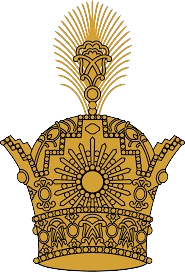
Persian Noble Titles Explained: From Shah to Baron
Noble titles have been an integral part of Persian civilization for millennia. From the ancient Achaemenid Empire to the Safavid Dynasty and beyond, Persia developed a sophisticated system of aristocratic ranks that rivaled any in the world. Understanding these titles provides insight into Persian culture, governance, and social structure.
The Hierarchy of Persian Noble Titles
Persian nobility operated within a structured hierarchy, with the Shah at the apex. Below the royal family, various ranks of nobility held different levels of privilege, responsibility, and social standing. This system evolved over centuries, incorporating influences from various cultures while maintaining distinctly Persian characteristics.
Duke (Highest Rank)
The title of Duke represents the highest rank of nobility below royalty. In the Persian context, Dukes often governed vast provinces and commanded significant military forces. They were trusted advisors to the Shah and wielded considerable political influence. A Duke title signifies the utmost prestige and authority within the noble hierarchy.
Marquess
Ranking just below Duke, the Marquess title historically designated nobles who governed border territories or "marches." These nobles held strategic importance, defending the empire's frontiers and maintaining order in distant provinces. The Marquess combined military prowess with administrative skill.
Earl
The Earl title has ancient origins and represents distinguished nobility of considerable standing. Earls traditionally governed counties or significant administrative regions. This title carries historical weight and denotes a person of refined character and noble bearing.
Viscount
Positioned between Earl and Baron, the Viscount title originally referred to deputies who acted on behalf of counts or earls. Viscounts managed estates, administered justice, and represented their superiors in various capacities. This title signifies trustworthiness and capable leadership.
Lord and Lady
The titles of Lord and Lady represent timeless marks of nobility and respect. These titles have been used across cultures for centuries to denote individuals of distinguished standing. A Lord or Lady commands respect and recognition in social settings, representing refinement and noble character.
Baron and Baroness
The Baron and Baroness titles mark the entry point into the ranks of nobility. Historically, Barons held land directly from the sovereign and owed military or other service in return. This title represents the foundation of noble standing and opens the door to aristocratic recognition.
Persian Titles vs European Nobility
While Persian and European noble systems developed independently, they share remarkable similarities in structure and function. Both civilizations recognized the need for a hierarchical social order with clearly defined ranks and privileges. The titles offered by Persian Noble Titles draw upon this shared heritage, combining Persian royal authority with universally recognized noble designations.
The Significance of Noble Titles Today
In the modern world, noble titles serve as connections to history and tradition. They represent values such as honor, dignity, and cultural appreciation. Many people seek noble titles to commemorate special occasions, honor family heritage, or simply to own a unique piece of historical tradition.
Claim Your Noble Title
Explore our range of authentic Persian noble titles, from Baron to Duke. Each title comes with official documentation and is granted by a direct descendant of the Safavid Dynasty.
View Available Titles